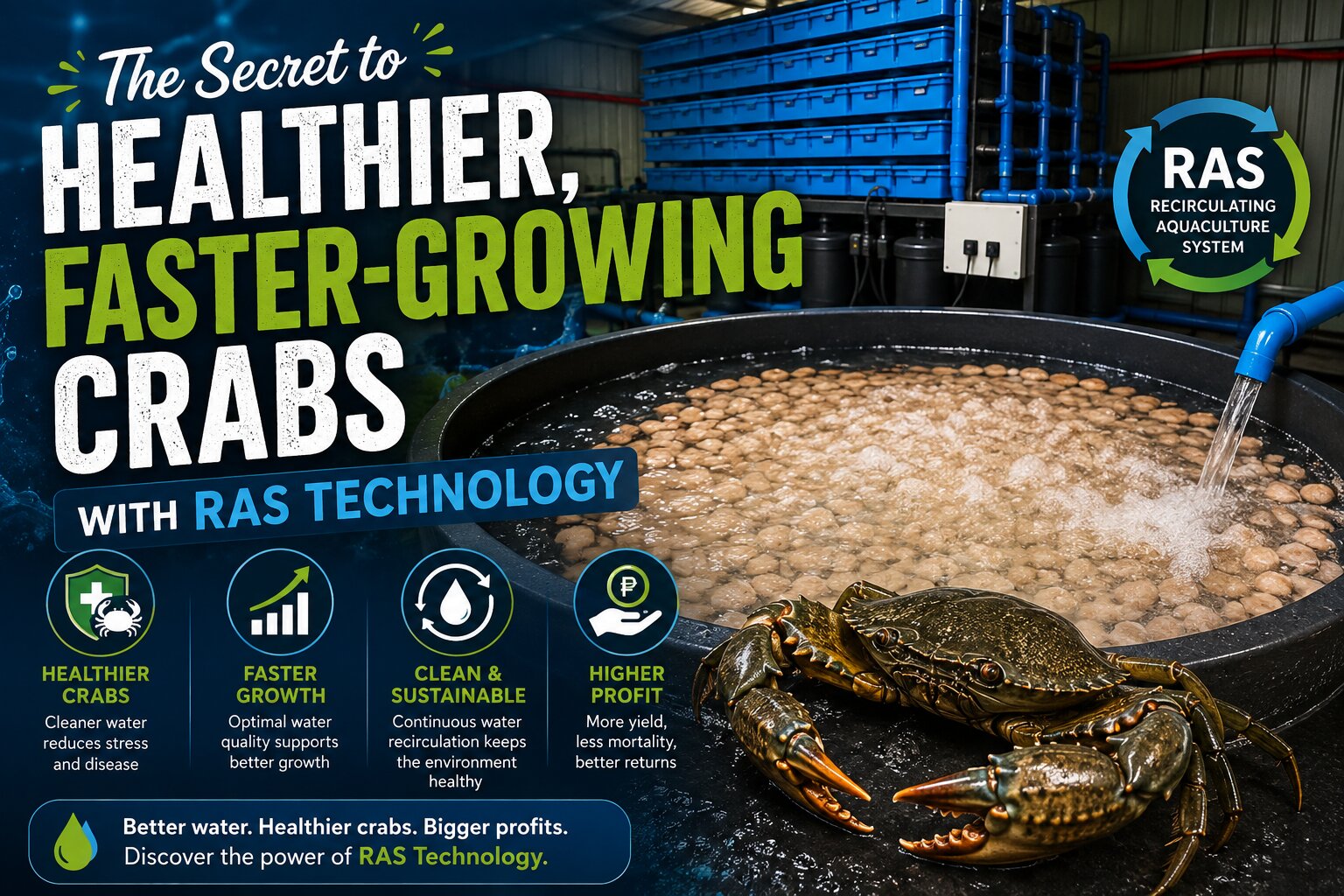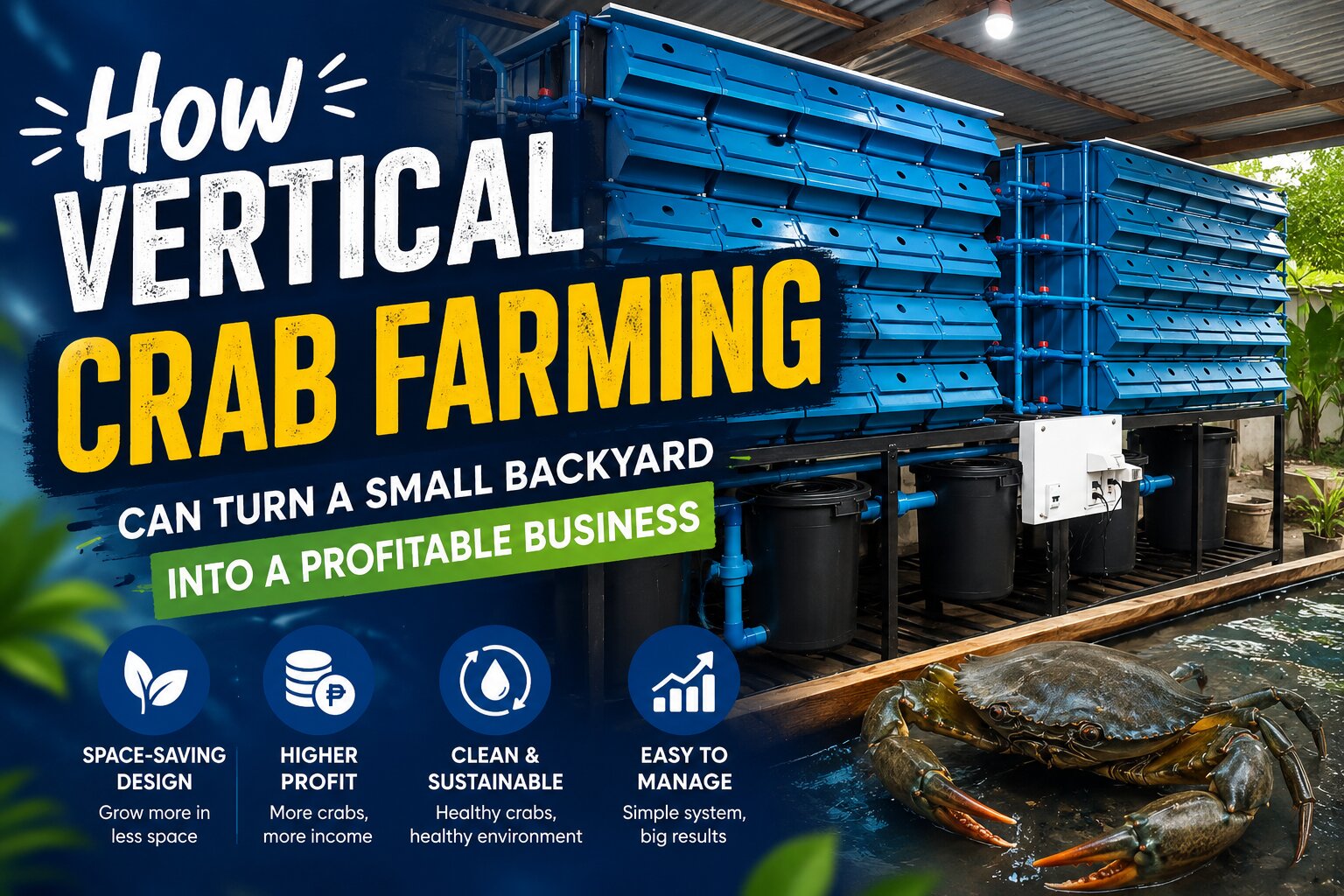

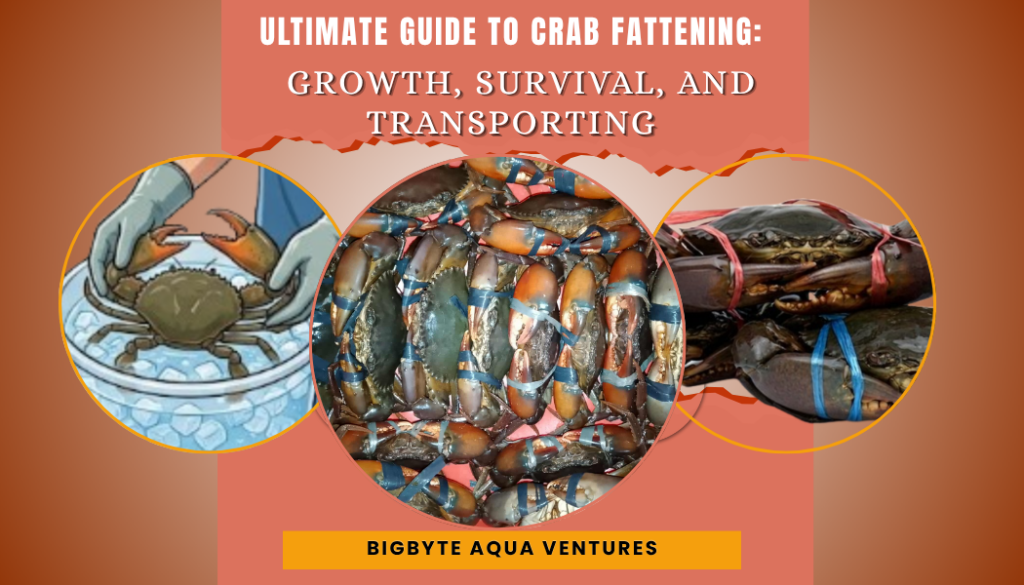
The crab fattening period is a specialized aquaculture process designed to maximize the value of mud crabs by increasing their meat and fat content in a short amount of time. Instead of raising crabs from larvae, farmers stock “thin” or “water” crabs that have recently molted and provide them with an intensive, high-protein diet. This method is highly profitable because it significantly reduces the time the crabs spend in the pond while yielding a premium product that commands a higher market price.
Success in this venture relies heavily on understanding that the crab fattening period is not a “one size fits all” timeline. It is a biological process influenced by the crab’s initial size, gender, and the environmental conditions of your farm. By mastering the nuances of water quality and nutrition, you can ensure that your stock transitions from thin to “full” efficiently, minimizing mortality rates and ensuring a consistent harvest of high-quality, heavy crabs.
Key Factors for Growth and Survival
To ensure your crabs thrive during the fattening process, you must focus on three core pillars: selection, nutrition, and environment.
Strategic Stocking Selection
The quality of your harvest is determined the moment you buy your stock.
- The “Thin” Rule: Look for crabs that are healthy but have low meat content.
- Avoid New Molts: While you want thin crabs, avoid “very thin” crabs that have just finished molting. They are physically weak and highly susceptible to disease or stress-related death. “Slightly thin” crabs are the ideal candidates for stocking.
Nutritional Management
Crabs are aggressive eaters and require a diet that supports rapid muscle and fat development.
- Balanced Protein: Provide a combination of plant-based and animal-based proteins (such as trash fish or specialized pellets).
- Feeding Discipline: Implement a strict feeding schedule. Inconsistent feeding leads to hunger, which triggers cannibalism and the leading cause of stock loss in crab farms.
Water Quality Parameters
Crabs are sensitive to their aquatic environment. You must monitor these levels daily:
- Temperature & pH: Extreme fluctuations can stop the feeding process.
- Salinity: Crabs require specific salt levels to maintain their metabolic health.
- Ammonia & Oxygen: Poor water circulation leads to ammonia buildup, which can be fatal.
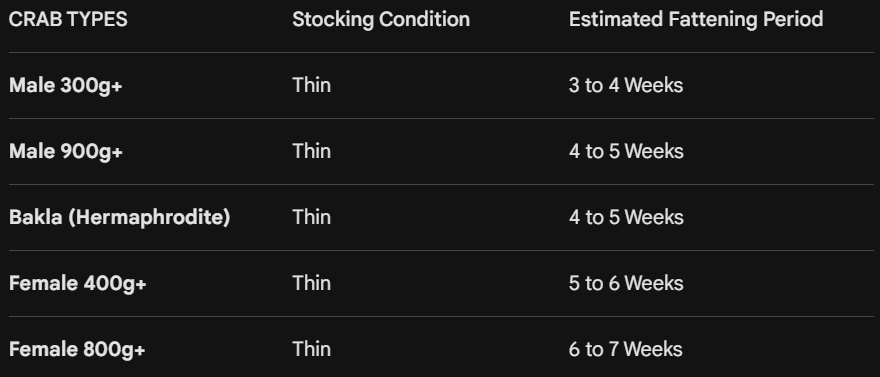
The Fattening Timeline: Duration by Type
The length of the fattening cycle varies based on the biological needs of the crab. Use the table below to plan your harvest cycles.
Harvesting, Packaging, and Transporting
Once the fattening cycle is complete, the goal shifts to getting the product to the consumer in peak condition.
Sedating for Safety
Handling large, aggressive crabs is dangerous for both the farmer and the crab.
- The Ice Water Method: To sedate crabs, place them in a bucket of ice and water. This drops their body temperature, causing them to enter a dormant state.
- Benefit: Sedated crabs are easier to tie securely and are less likely to “throw” a claw due to stress.
Professional Packaging Standards
Proper packaging prevents dehydration and physical damage during transit.
- Container Choice: Use cardboard boxes (known locally as ‘karton’) or Styrofoam boxes for better insulation.
- Layering: When stacking crabs, place wet clothes or wet cardboard between layers. This maintains the humidity necessary for the crabs to breathe through their gills while out of the water.
Ready to turn your aquaculture venture into a high-profit success? Start mastering your crab fattening period today by implementing these professional stocking and feeding strategies.
Website: www.bigbyteaquaventures.com
Facebook: BigByte Aqua Ventures
Phone: +63 948 056 4792
Get in touch with us today:
Contact BigByte Aqua Ventures Corporation now to get expert guidance on sourcing quality stock and optimizing your farm’s productivity!