Crab Species
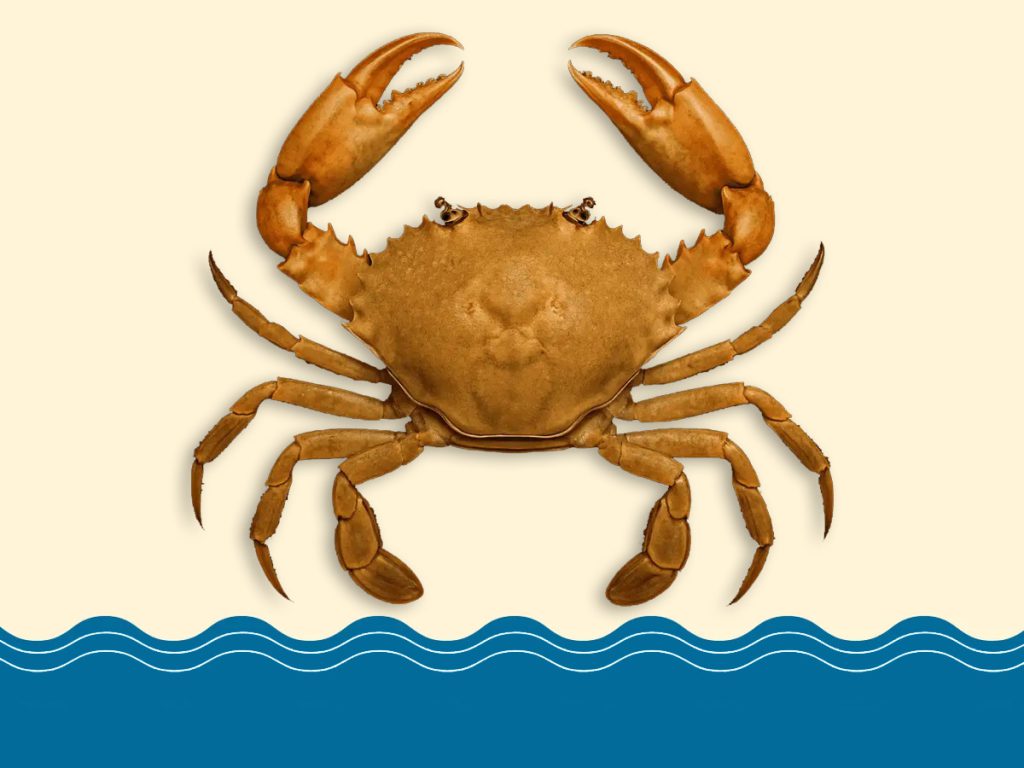
The alimango at the market is one of four mud crab species of the genus Scylla. Here is how to tell them apart, and what each one is best for.
At a glance
| Species | Also called | Colour | Size |
|---|---|---|---|
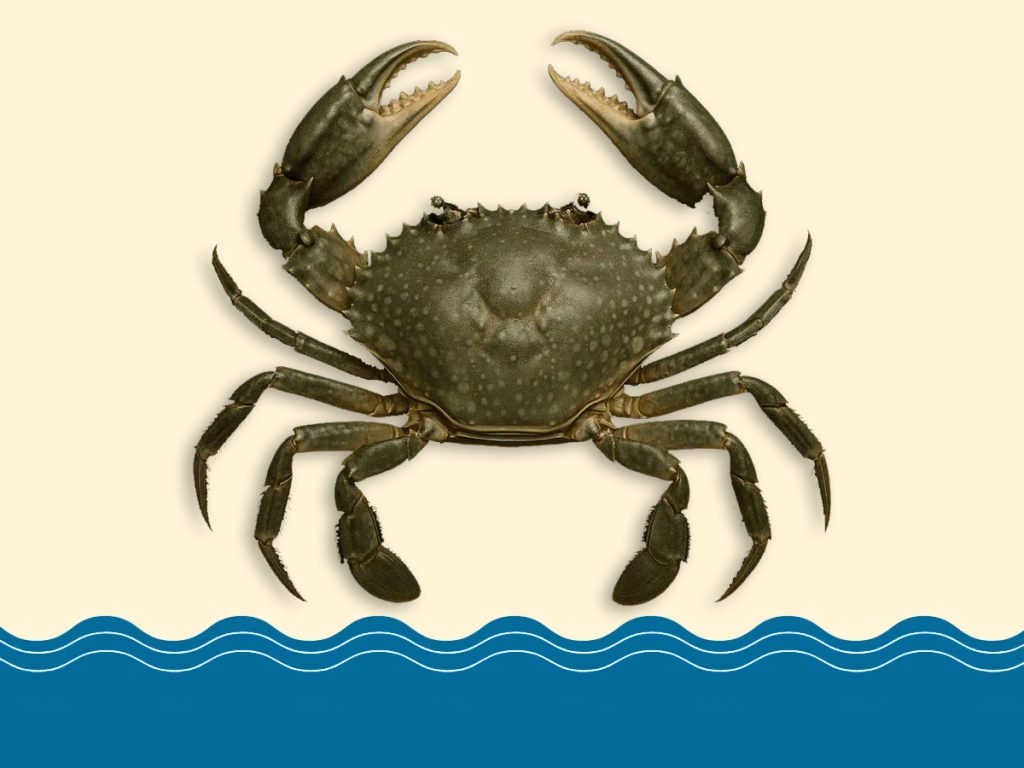
| Scylla serrata | Giant mud crab | Green to dark olive | The biggest mud crab |
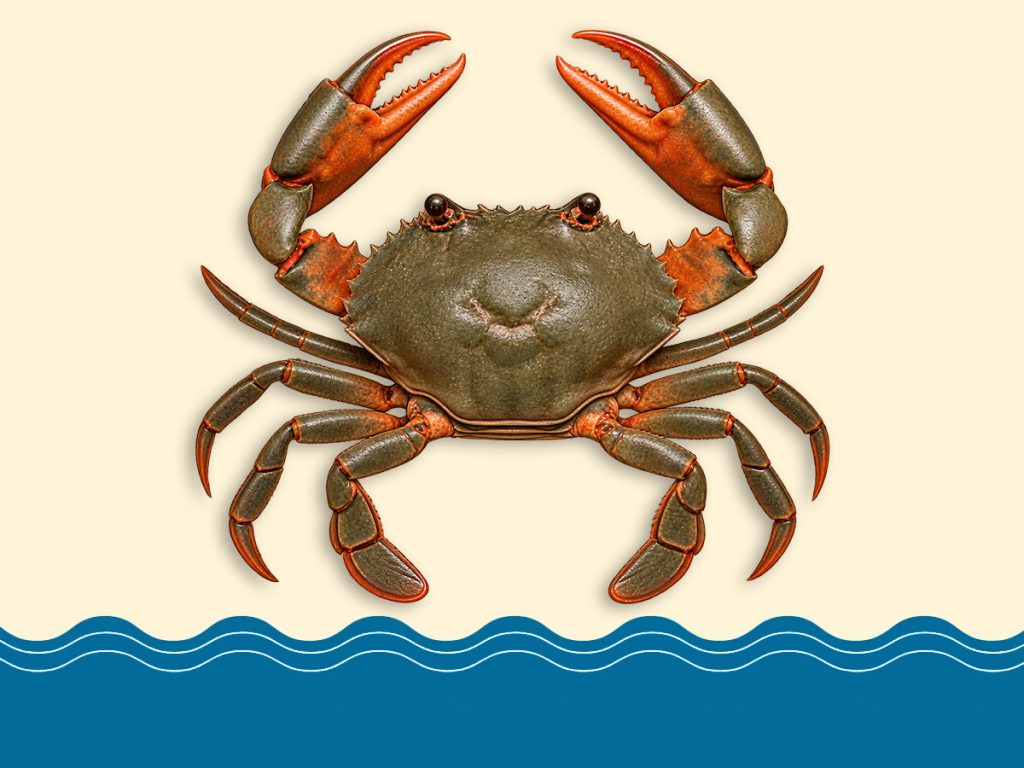
| Scylla olivacea | Orange mud crab | Orange-brown to olive shell | Smaller |
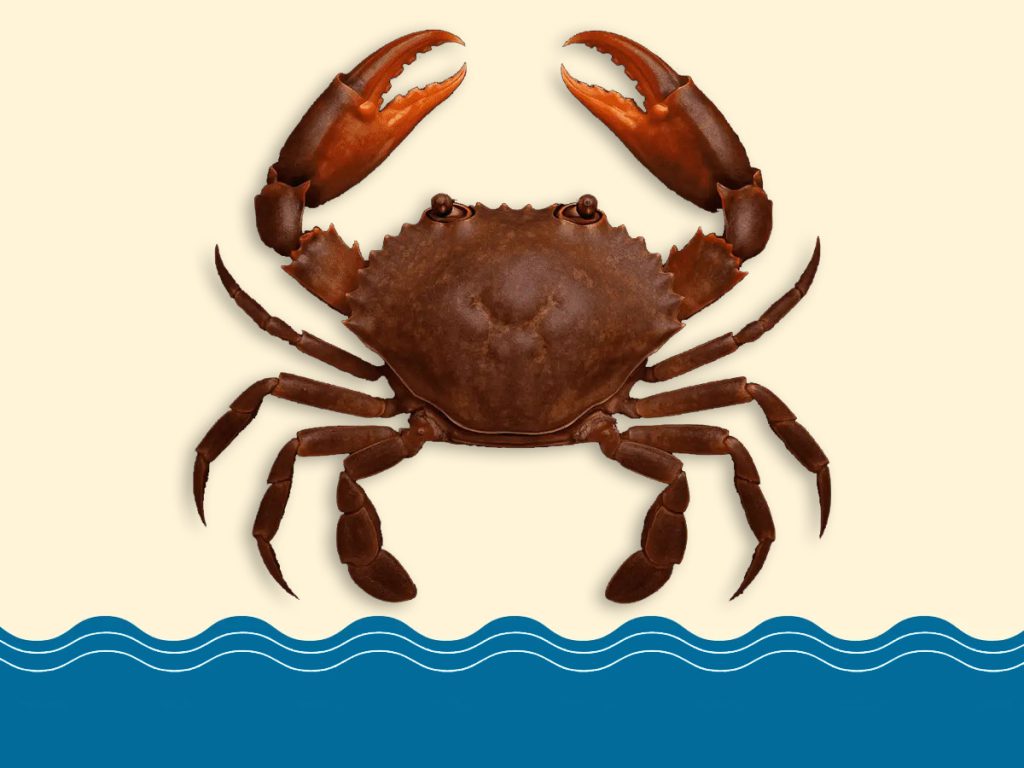
| Scylla tranquebarica | Purple mud crab | Dark olive-green shell with purplish claws and legs | Large |
| Scylla paramamosain | Green mud crab | Green to bluish-green shell | Medium to large |
Scylla serrata
The largest of the four and the one most prized by restaurants. Giant mud crabs grow big in full-salinity mangrove estuaries, which makes them a favourite for grow-out and fattening.
- Colour: green to dark olive, with a clear net-like pattern on the claws and legs.
- Size: the biggest mud crab; large males can pass 2 kg.
- Recognise it by: tall, sharply pointed spines between the eyes, all about the same size.
- Best for: whole-crab dishes and premium market sizes.
Scylla olivacea
The mud crab you are most likely to find at the wet market. It is smaller than the giant mud crab and copes well with brackish, lower-salinity water.
- Colour: orange-brown to olive shell, with orange claws.
- Size: smaller; most market crabs are well under 1 kg.
- Recognise it by: low, rounded spines between the eyes and little or no pattern on the legs.
- Best for: everyday cooking: steamed, ginataan or chili crab.
Scylla tranquebarica
A large, heavy crab of mangroves and coastal waters, often sold alongside the giant mud crab.
- Colour: dark olive-green shell with purplish claws and legs.
- Size: large; second only to the giant mud crab.
- Recognise it by: blunt spines between the eyes and two prominent spines on the wrist of each claw.
- Best for: big crabs with plenty of claw meat.
Scylla paramamosain
Widely farmed across Southeast Asia because it grows quickly and adapts well to pond and box culture.
- Colour: green to bluish-green shell.
- Size: medium to large.
- Recognise it by: triangular spines between the eyes and only a faint pattern on the legs.
- Best for: farming and a steady year-round supply.
Learn more about mud crabs
-
The Science of the “Bakla” Crab: Why It’s the Gold Standard of Seafood
In the competitive world of premium seafood, the Bakla crab has emerged as a biological marvel that stands apart from standard mud…
-
The Expert Guide to Mangrove Crab Sorting and Grading for Maximum Profit
The value of your harvest is determined long before it reaches the market. Successful farmers know that consistent mangrove crab sorting and…
-
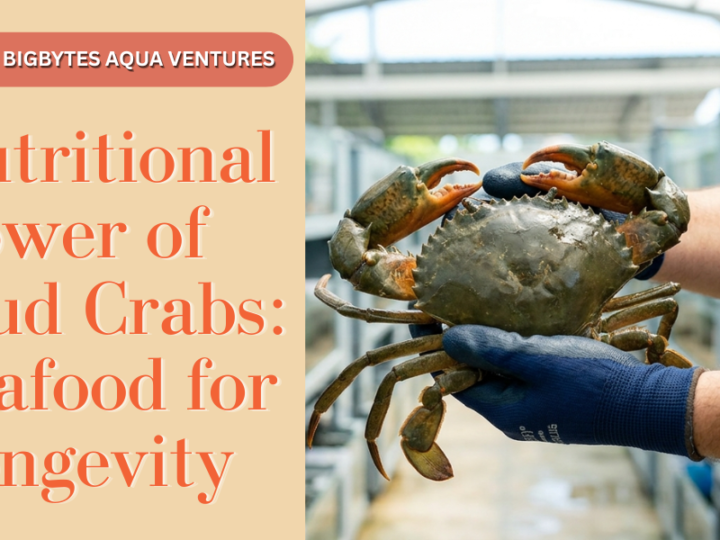
The Nutritional Power of Mud Crabs: Seafood for Longevity
In an era where health is our greatest wealth, many are looking for “superfoods” to boost immunity and longevity. While kale and…

Looking for fresh mud crabs?
Live crabs from our vertical farm in Davao City, sorted by size and ready for your kitchen, restaurant or market.
Order now