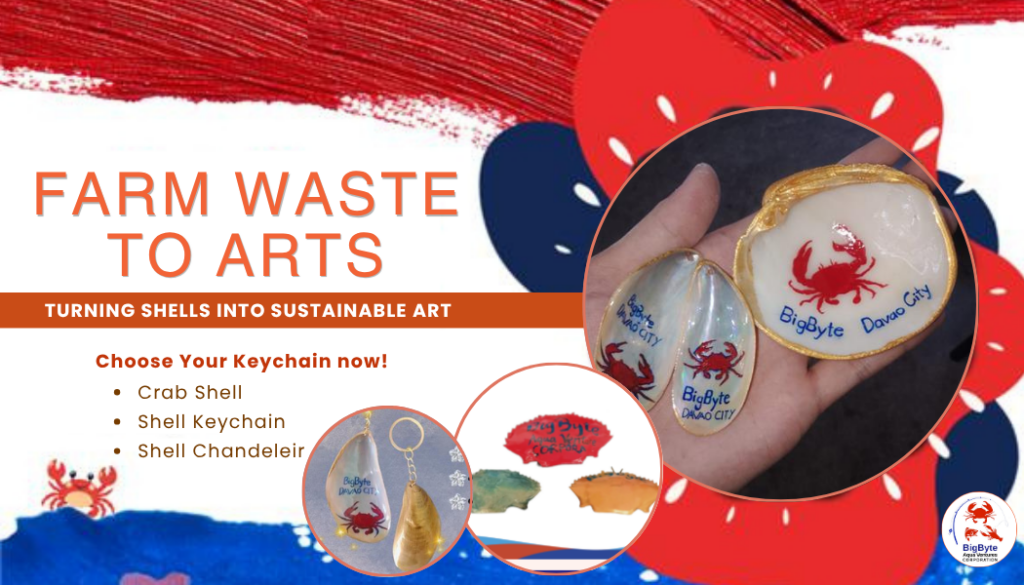
In aquaculture and seafood industries, shells are often treated as waste after harvesting and processing. Many farms and seafood businesses simply discard these shells without realizing that they still hold value. Today, sustainable farming practices are changing that perspective by transforming crab shells into creative and environmentally friendly art materials.
At BigByte Aqua Ventures, the “Farm Waste to Arts” concept promotes the idea that crab shells can become more than waste. Through creativity and sustainability, discarded shells can be repurposed into decorative pieces, educational displays, and eco-friendly artistic projects that support environmental awareness.
Why Crab Shell Waste Matters
Crab farming and seafood processing generate large amounts of shell waste. When improperly disposed of, these shells can create unpleasant odors, attract pests, and contribute to environmental pollution.
In many traditional systems, shell waste is simply thrown away. However, crab shells are natural materials that can still be reused in productive and creative ways instead of ending up as waste. This approach supports sustainable aquaculture by reducing unnecessary disposal while encouraging resource efficiency.
Turning Crab Shells Into Art
Crab shells have unique shapes, textures, and colors that make them suitable for artistic and decorative projects. Instead of viewing them as useless leftovers, they can become
valuable materials for creative expression. Examples of crab shell art include:
Decorative wall displays
Coastal-themed artwork
Educational aquaculture exhibits
Table decorations
Framed shell collections
Handcrafted souvenir items
By cleaning, preserving, and creatively arranging shells, artists and farming communities can transform discarded materials into visually appealing products.
Supporting Sustainability Through Creativity
Using crab shells for art promotes sustainability in several ways.
Reduces Waste Disposal
Repurposing shells minimizes the amount of waste sent to landfills or disposal areas.
Encourages Environmental Awareness
Creative projects help people understand the importance of recycling and responsible waste management.
Adds Value to Farm By-Products
Instead of becoming useless waste, shells gain a second purpose through art and educational projects.
Promotes Eco-Friendly Practices
The Farm Waste to Arts concept encourages communities to use natural resources responsibly and creatively.
The Connection Between Aquaculture and Environmental Responsibility
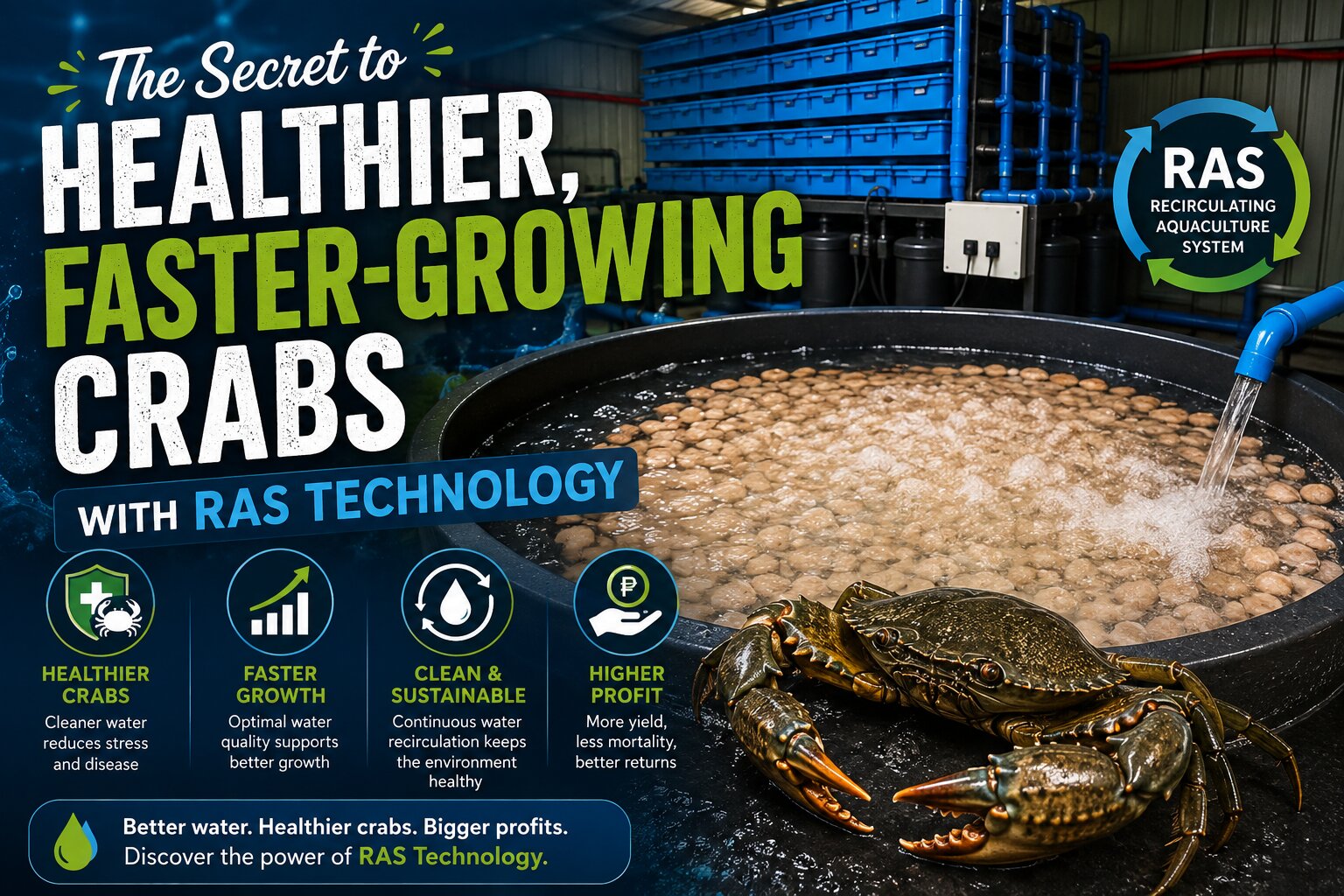
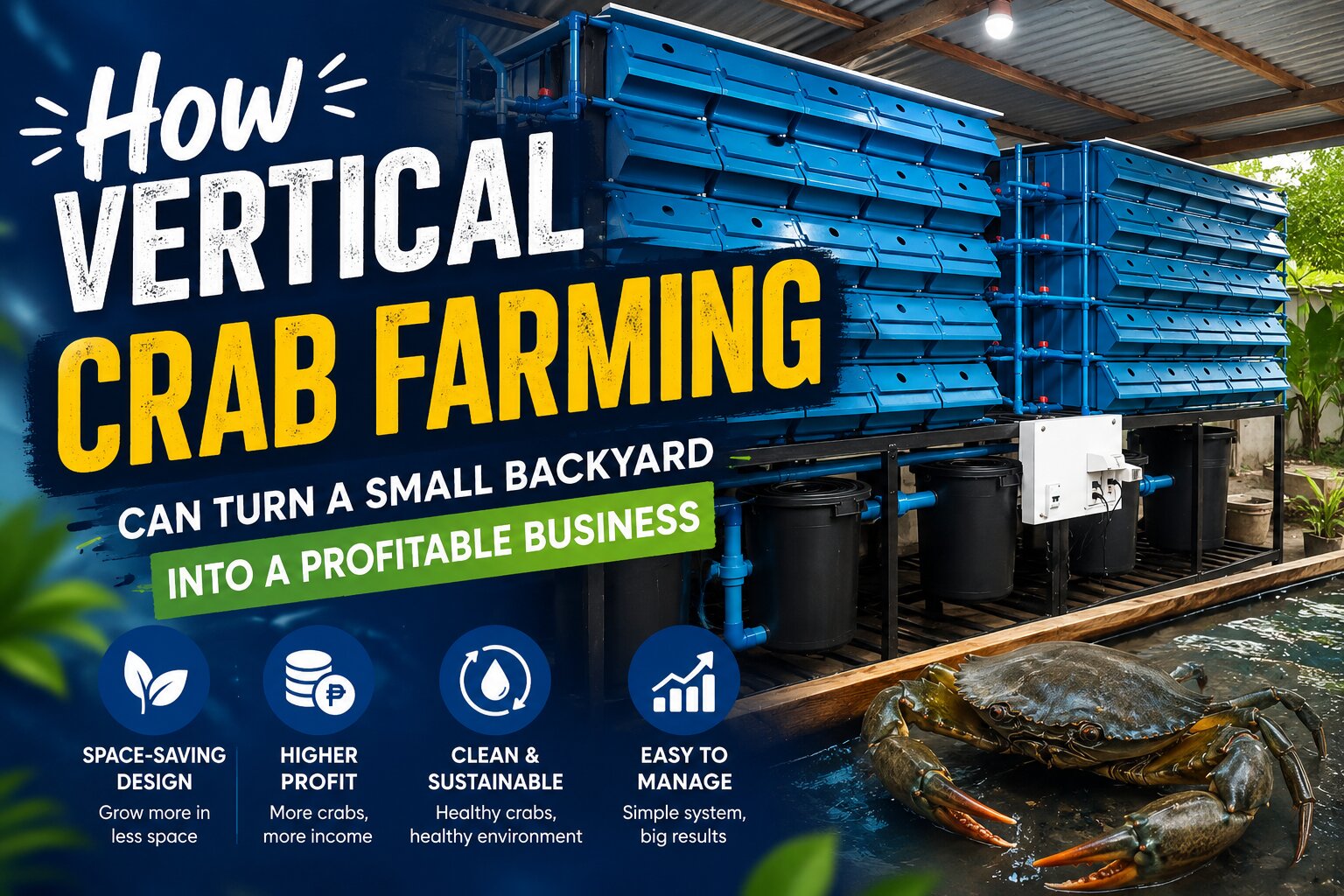
Modern aquaculture is no longer focused only on production. Sustainability now plays a major role in how farms operate. Vertical crab farming systems and RAS technology already help reduce water waste and improve farming efficiency.
The Farm Waste to Arts initiative complements these sustainable systems by encouraging better use of farm by-products like crab shells. It supports the idea that every part of the farming process can contribute to environmental responsibility.
Educational Value of Crab Shell Art
Crab shell art can also become an educational tool for schools, seminars, and aquaculture training programs. It helps demonstrate:
- Sustainable aquaculture practices
- Proper waste management
- Environmental conservation
- Creative recycling methods
- Resource sustainability
By combining art and education, communities become more aware of how simple changes can reduce environmental impact.
Building a More Sustainable Aquaculture Industry
Sustainability in aquaculture is not only about raising healthy crabs. It also involves finding responsible ways to manage waste and reduce environmental impact. Turning crab shells into art shows that even discarded materials can still serve a meaningful purpose.
Through creativity, innovation, and environmental awareness, crab shell waste can become part of a more sustainable future for aquaculture communities.
Website: www.bigbyteaquaventures.com
Facebook: BigByte Aqua Ventures
Phone: +63 948 056 4792
Get in touch with us today:
Contact BigByte Aqua Ventures today to learn more about sustainable aquaculture, crab farming innovations, and environmental farming practices.