
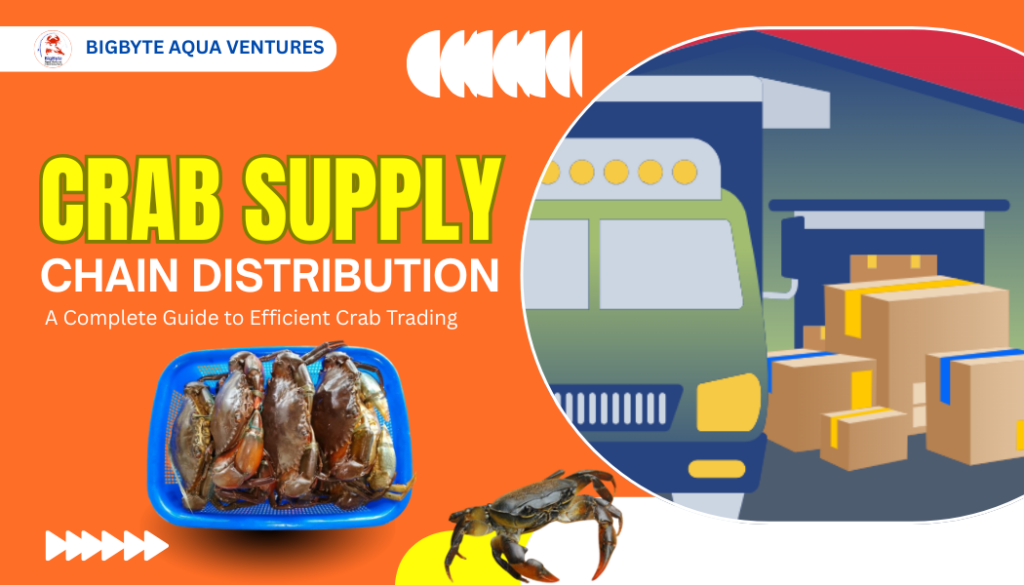
The crab supply chain distribution plays a vital role in delivering fresh, high-quality crabs from coastal communities to local and international markets. Understanding how the crab supply chain distribution works helps businesses, traders, and consumers ensure better quality, fair pricing, and efficient logistics.
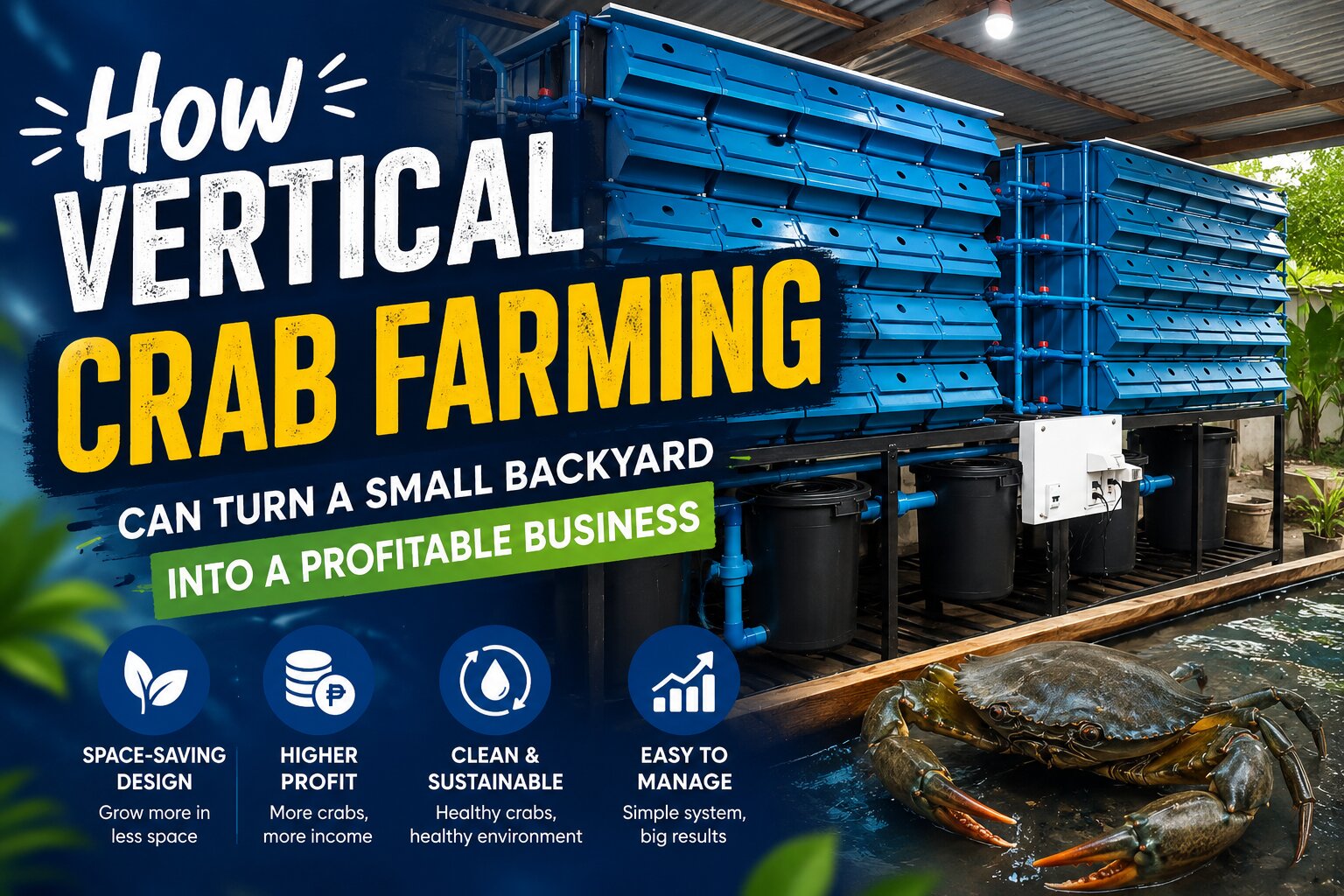
BigByte Aqua Ventures Corporation demonstrates how organized systems, such as vertical crab farming and efficient trading networks can improve productivity, reduce losses, and ensure consistent supply.
By understanding the full process of crab distribution, from sourcing to final sale, businesses can make smarter decisions, reduce unnecessary costs, and improve product quality. Whether you are a trader, supplier, or entrepreneur entering the seafood industry, having knowledge of the crab supply chain distribution can give you a strong advantage in a competitive market.
Crab Supply Chain Distribution
Crab supply chain distribution refers to the step-by-step process of moving crabs from their source (catchers or farms) to the final consumer. It involves multiple stakeholders working together to maintain freshness, quality, and profitability.
Key Players in the Crab Supply Chain
1. Local Crab Catchers / Fisherfolks
These are the primary suppliers who harvest crabs from natural waters. They are the starting point of the supply chain.
2. Farm Operator / Vertical Crab Farm Owner
Farm operators grow and fatten crabs to improve size and quality before selling them to buyers.
3. Local Buy and Sell Operators
These traders purchase crabs from catchers or farms and resell them within local markets.
4. Middlemen
Middlemen connect suppliers and larger buyers. They help move products quickly but may affect pricing.
5. Large-Scale National Traders
They distribute crabs across regions and supply major clients such as restaurants and hotels.
6. International Traders
These exporters handle global distribution, ensuring crabs reach international markets.
7. Hotels and Restaurants
Both local and international establishments purchase crabs to serve customers.
8. End-Users / Customers
The final consumers who enjoy the product.
How the Crab Supply Chain Works
The flow typically follows this structure:
- Fisherfolks catch crabs
- Farm operators grow or fatten them
- Local traders or middlemen buy and distribute
- National and international traders expand reach
- Hotels, restaurants, and markets sell to customers
Each step ensures the product moves efficiently while maintaining quality.
Best Practice in Crab Distribution
A key strategy in improving efficiency is:
Buy from the nearest first-hand seller and sell to the nearest last-hand buyer.
This approach:
- Reduces transportation costs
- Maintains freshness
- Increases profit margins
- Supports local businesses
Importance of an Efficient Crab Supply Chain
A well-managed crab supply chain distribution offers several benefits:
- Freshness and Quality Control – Faster delivery ensures better product quality
- Higher Profitability – Fewer intermediaries mean better pricing
- Sustainability -Supports local fishing communities
- Market Expansion – Enables access to national and international buyers
Challenges in Crab Distribution
Despite its importance, the supply chain faces challenges such as:
- Delays in transportation
- Overdependence on middlemen
- Price inconsistencies
- Lack of cold storage and logistics
Addressing these issues can significantly improve the industry.
The crab supply chain distribution is more than just moving seafood, it’s a network of people, processes, and strategies working together to deliver quality products efficiently. By understanding each stage and applying best practices, businesses can improve operations, increase profits, and ensure sustainability in the industry.
Website: www.bigbyteaquaventures.com
Facebook: BigByte Aqua Ventures
Phone: +63 948 056 4792
Get in touch with us today:
Contact BigByte Aqua Ventures for more information and let’s start building building your dream to life.