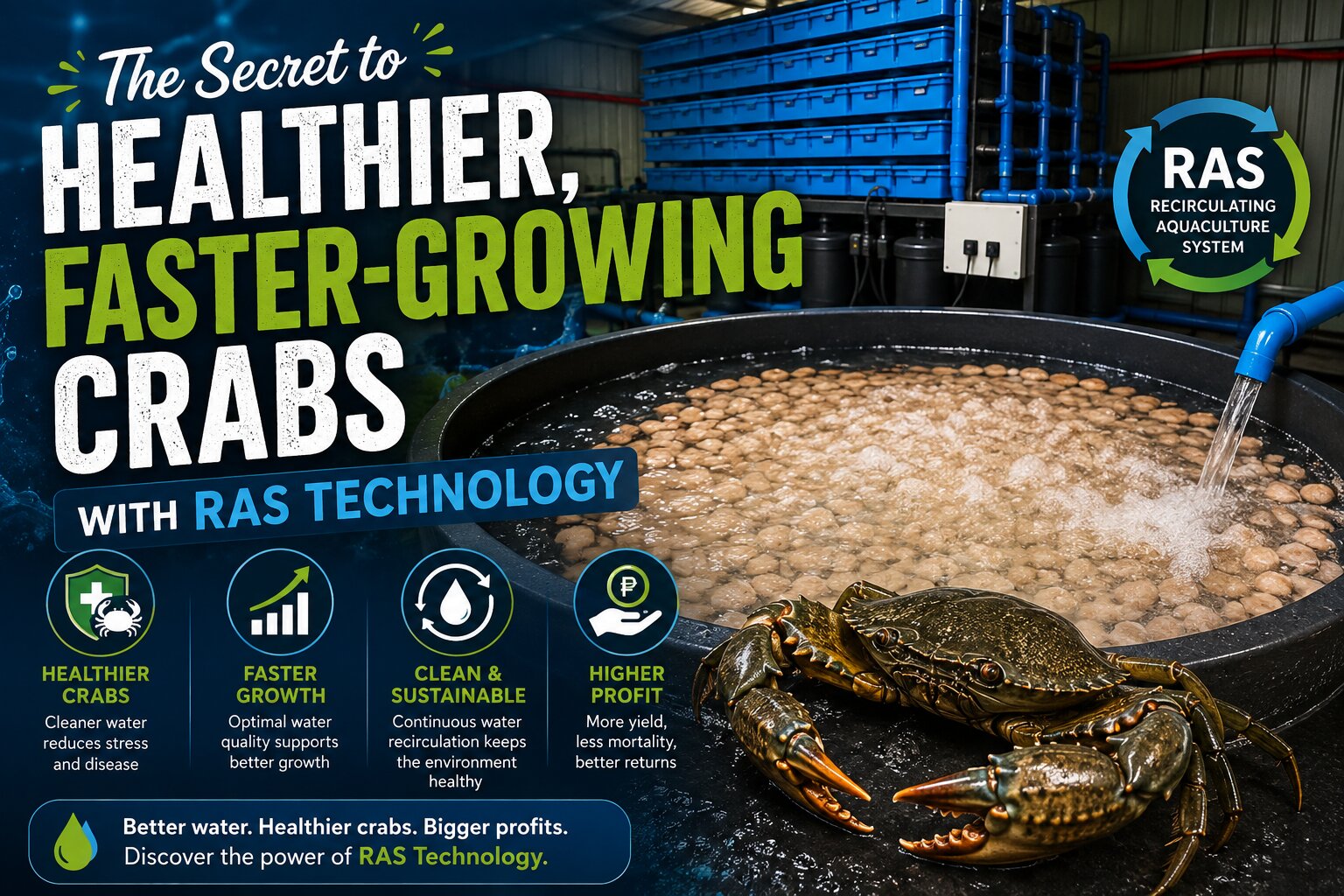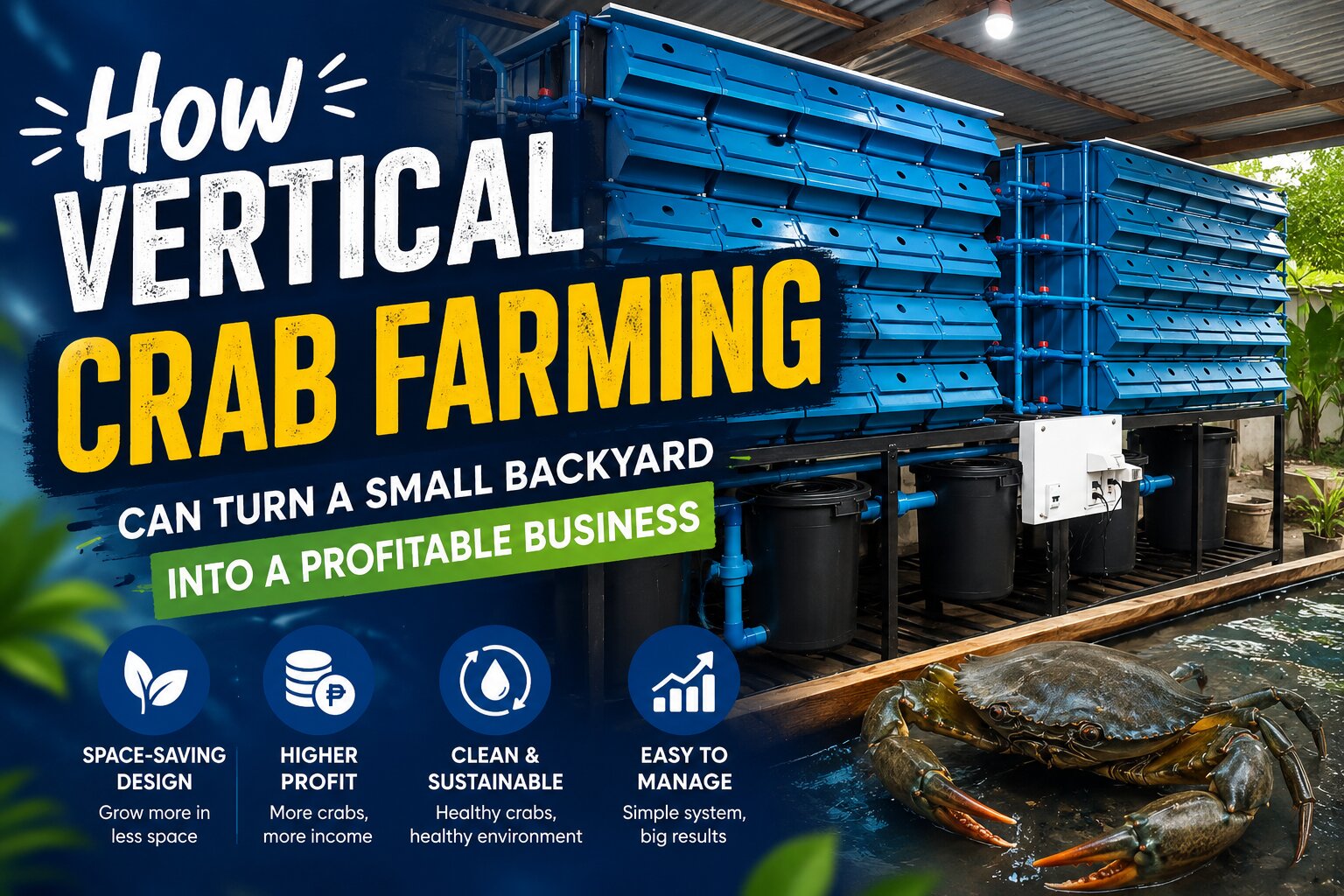

Vertical crab farming support this journey, this Vertical Crab Farming Guide serves as a vital roadmap for operators, offering clear protocols on everything from growth cycles to system sanitation., specifically through Recirculating Aquaculture Systems (RAS), has revolutionized the way we approach high-density crab fattening. By stacking individual crab boxes, farmers can maximize space and control environmental variables that are often left to chance in traditional pond farming. This method allows for a more streamlined production cycle and a cleaner, more marketable product.
However, the precision of a vertical system requires a matching level of discipline from the operator. Success isn’t just about stocking the boxes; it is about mastering the delicate balance between water chemistry, biological timelines, and rigorous maintenance. Moving from “surviving” to “thriving” requires a deep understanding of how to manage crab health and system hygiene effectively.
Understanding the Fattening Timeline
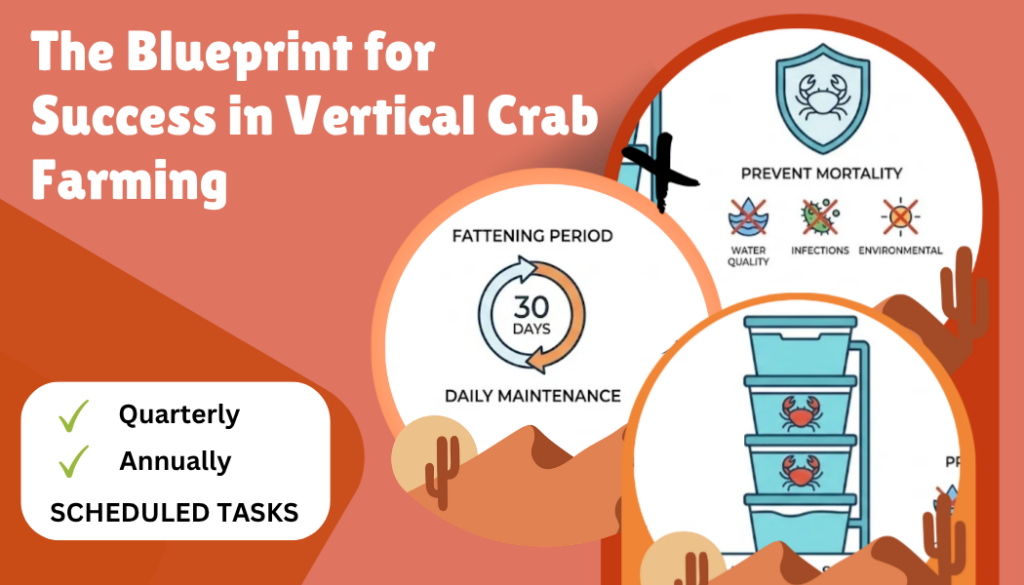
Not all crabs fatten at the same rate. The duration depends on the crab’s gender, initial weight, and the quality of your stocking material. On average, the harvest cycle is approximately one month, but timelines vary significantly by type.
- Male Crabs (300g – 900g+): Generally, reach peak fattening within 3 to 4 weeks
- Bakla (Hermaphrodite) Crabs: Typically require 4 to 5 weeks.
- Female Crabs (400g – 800g+): These require the most patience, often taking 5 to 7 weeks to fully develop high-value roe (aligue).
By tracking these specific timelines for each category, you can better predict your market availability and optimize your stocking rotations. Remember that secondary factors like feed quality and water temperature will ultimately dictate whether you hit the early or late end of these windows.
Sampling and Sizing: The “Touch and See” Method
To ensure you aren’t harvesting too early or keeping “thin” crabs too long, you must follow a strict sampling schedule. This manual verification is the only way to guarantee that the crab inside the shell matches the quality your buyers expect.
- First Sampling: 20 days after stocking.
- Successive Sampling: Every 10 days thereafter.
How to Check for Readiness:
- For Males: Press the abdominal part and the bottom of the lateral spine. If it feels hard, they are fattened. If soft, they are still “payat” (thin) and need more time.
- For Females & Bakla: Slightly open the abdominal part to check the color of the crab fat (aligue).
- Orange (Female): Fully fattened
- Yellow (Female): Half-fattened
- Yellow (Bakla): Fully fattened
- Orange (Female): Fully fattened
Consistent sampling reduces the risk of “empty” harvests and ensures that every crab leaving your facility is at its maximum weight and value. Using this “touch and see” method allows you to make data-driven decisions rather than relying on guesswork.
System Maintenance: Your Daily & Monthly Rituals
A vertical system is only as good as its filtration. In a closed loop, waste buildup happens quickly, making cleanliness a matter of survival rather than just aesthetics.
- Daily/Post-Feeding: Perform regular cleaning at least 4 hours after feeding. Use a water spray to remove uneaten feeds and a sponge to wipe away silts or algae from the box floors.
- Weekly: Conduct a thorough deep clean of all boxes.
- Monthly: Flush and clean all inlet/outlet pipelines by opening the drainage plugs.
- Quarterly & Beyond: * Every 3 Months: Clean the UV sterilizer bulbs to maintain disinfection power.
- Every 6 Months: Reactivate or replace charcoal/carbon filters.
- Annually: Perform a total system dry-out and filter tank sterilization.
- Every 6 Months: Reactivate or replace charcoal/carbon filters.
A well-maintained system provides the stable environment crabs need to focus their energy on growth rather than fighting off stress. By adhering to these daily, monthly, and yearly rituals, you protect your infrastructure and your investment from long-term degradation.
4 Major Causes of Mortality
High mortality rates are the biggest threat to profitability in crab farming. If you notice a spike in deaths, it is almost certainly due to a failure in one of these four critical areas.
- Poor Water Quality: Fluctuations in parameters in your RAS can lead to stress, suppressed immune systems, and a lack of appetite.
- Infections: “Bad” bacteria and parasites often hide in the box floors and pipelines. If your cleaning schedule slips, disease can spread through the system rapidly.
- Environmental Stress: Crabs are sensitive. Exposure to strong winds, smoke, or excessive light can trigger stress responses that lead to death.
- Poor Handling: Stress starts at the beginning. Rough handling during sizing, sorting, or tying during harvest can weaken the crab’s resilience.
Identifying the root cause of mortality early allows you to make the necessary adjustments before the problem becomes a facility-wide crisis. Vigilance in monitoring both the crabs and their environment is the most effective way to keep your survival rates high and your profits secure.
By staying disciplined with your maintenance schedules and attentive to the biological needs of your stock, you can overcome common challenges and build a thriving, profitable facility.
Start optimizing your operations today by implementing these industry-standard protocols.
Website: www.bigbyteaquaventures.com
Facebook: BigByte Aqua Ventures
Phone: +63 948 056 4792
Get in touch with us today:
Contact BigByte Aqua Ventures to discover how our expertise can help you maximize your harvest potential.