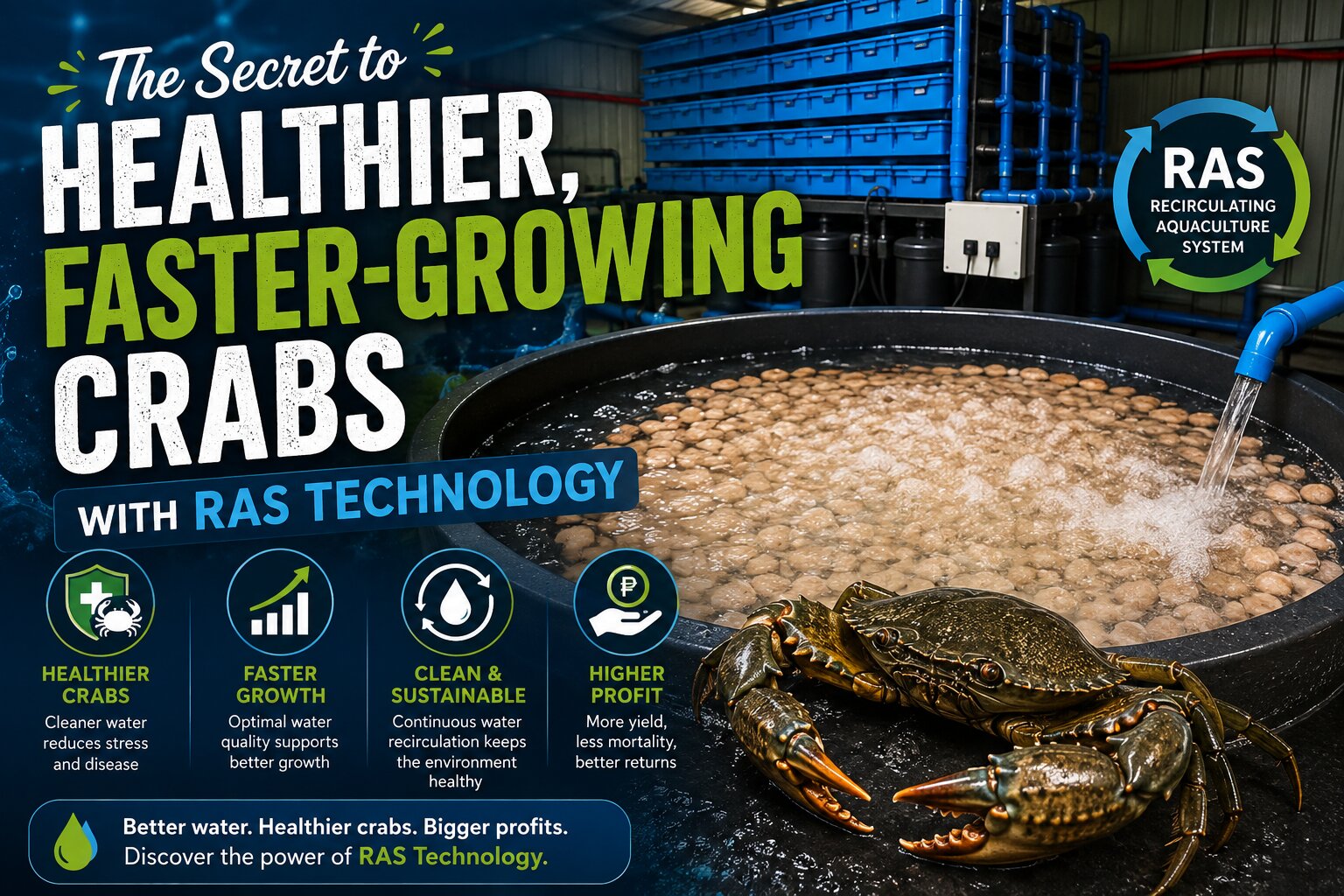

Starting a mud crab farming business can be both exciting and rewarding. With the growing demand for high-quality seafood, many new crab farmers see aquaculture as an opportunity to build a profitable and sustainable livelihood. However, success doesn’t happen overnight. Like any agricultural venture, crab farming requires proper planning, patience, and consistent management.
Many beginners make costly mistakes simply because they lack practical experience. Poor feeding practices, overcrowding, and inconsistence monitoring can all reduce crab growth and lower harvest quality. Fortunately, these challenges can be avoided by learning proven farming methods from experienced producers.
At BigByte Aqua Ventures, years of hand-on experience have shown that successful crab farming is built on attention to detail, responsible crab fattening practices, and continuous improvements. By applying these lessons, new crab farmers can develop healthier crabs, improve productivity, and build a stronger foundation for long-term success.
Seeing Potential Where Others Don’t
In the crab industry, it’s easy to focus only on large, heavy crabs. However, BigByte Aqua Ventures has built much of its expertise around light or thin mud crabs; crabs that still have the potential to gain weight and improve in quality.
Rather than viewing these crabs as less valuable, BigByte sees as opportunity. Through a carefully managed crab fattening process, light crabs are given the right environment, proper nutrition, and enough time to develop into premium-quality products.
This approach highlights an important lesson for anyone entering the industry: success often comes from recognizing potential and knowing how to nurture it.
Why Proper Management Matters
Many costly crab farming mistakes happen because important details are overlooked. Feeding schedules become inconsistent, stocking densities becomes too high, or daily monitoring is neglected.
While these issues may seem small at first, they can gradually affect crab growth and overall farm performance. Healthy crabs thrive in a well-managed environment where conditions remain stable and dress is kept to a minimum.
This is why experienced farmers spend as much time managing their system as they do preparing for harvest
Exploring Better Ways to Farm
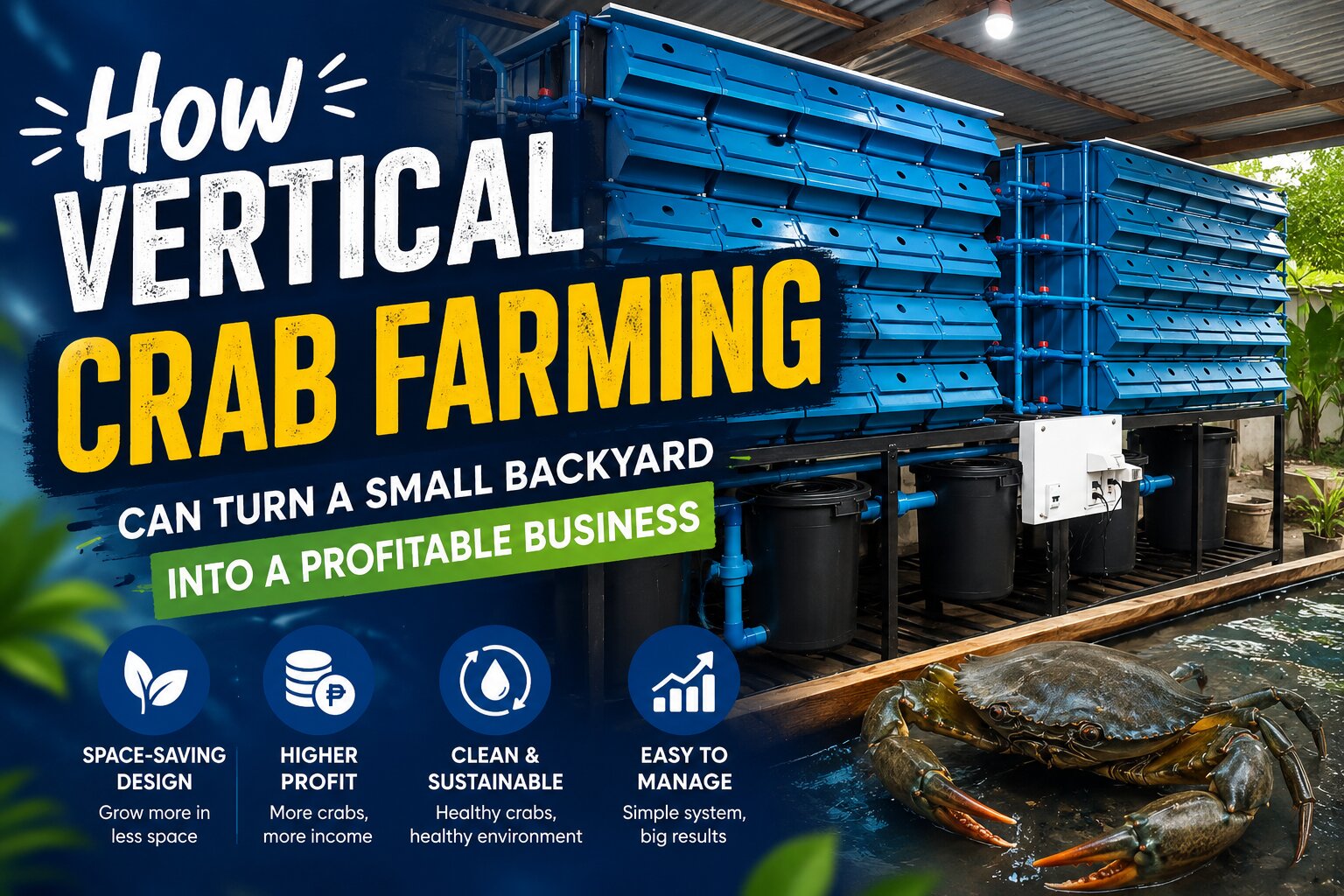
As the aquaculture industry continues to evolve, farmers are finding new ways to improve efficiency and productivity. One innovation that has attention is vertical crab farming.
BigByte Aqua Ventures has been exploring this approach as a way to make better use of available space while providing crabs with a more organized growing environment. By reducing unnecessary competition and making individual monitoring easier, vertical framing can help support heathier crab development.
For farmers looking to improve their operations, embracing innovation can be just as important as mastering traditional farming techniques.
The Difference Good Feeding Can Make
Crab fattening is not simply about waiting for crabs to grow. The process depends heavily on consistent feeding and proper nutrition.
A well-fed crab has a better chance of gaining weight, improving meat quality, and reaching its desired market conditions. On the other hand, poor feeding practices can slow growth and reduce overall value.
Over time, understanding how nutrition affects crab development becomes one of the most valuable skills a farmers can acquire.
Learning Through Experience
Every successful crab farm begins with a willingness to learn, adapt, and improve. For new crab farmers, avoiding common mistakes is one of the most important steps toward building a productive and sustainable operation. From proper crab fattening techniques to responsible farm management and innovative vertical crab farming methods, every decision plays a role in achieving better harvests.
At BigByte Aqua Ventures, every healthy, market-ready crab is the result of patience, careful planning, and years of practical experience. By continuously improving farming practices and embracing sustainable aquaculture, BigByte demonstrates how knowledge and consistency can turn potential into long-term success.
Whether you’re exploring mud crab farming for the first time or looking to improve your current operation, learning from experienced professionals can help you avoid costly mistakes and achieve better results.
Looking to learn more about responsible crab farming?
Website: www.bigbyteaquaventures.com
Facebook: BigByte Aqua Ventures
Phone: +63 948 056 4792
Start your crab farming journey with practical knowledge, proven techniques, and the support of an experienced aquaculture team.